01Completed
Decompose the page goal
Extract the target user, core information, primary action, and required page scope from the product brief.
Visible evidence: Requirements and page list CS FLOW AIOpen workspace
Web and product · Product demonstration
Turn information architecture, visual direction, and core interactions into a working website while keeping the context for continued revisions.
Published Sep 2, 2026 · Reviewed by OpenMira Product Team · Real product interface · No customer identity or performance claimTask input
A product positioning brief, page content, and visual direction that need to become an accessible, working website.
Before execution, the workspace confirms the goal, source scope, and delivery format. Missing required information remains visible as a needs-confirmation item.
Execution plan
Execution record
Extract the target user, core information, primary action, and required page scope from the product brief.
Visible evidence: Requirements and page listDefine navigation, input forms, result areas, and return paths, then lock a restrained visual direction.
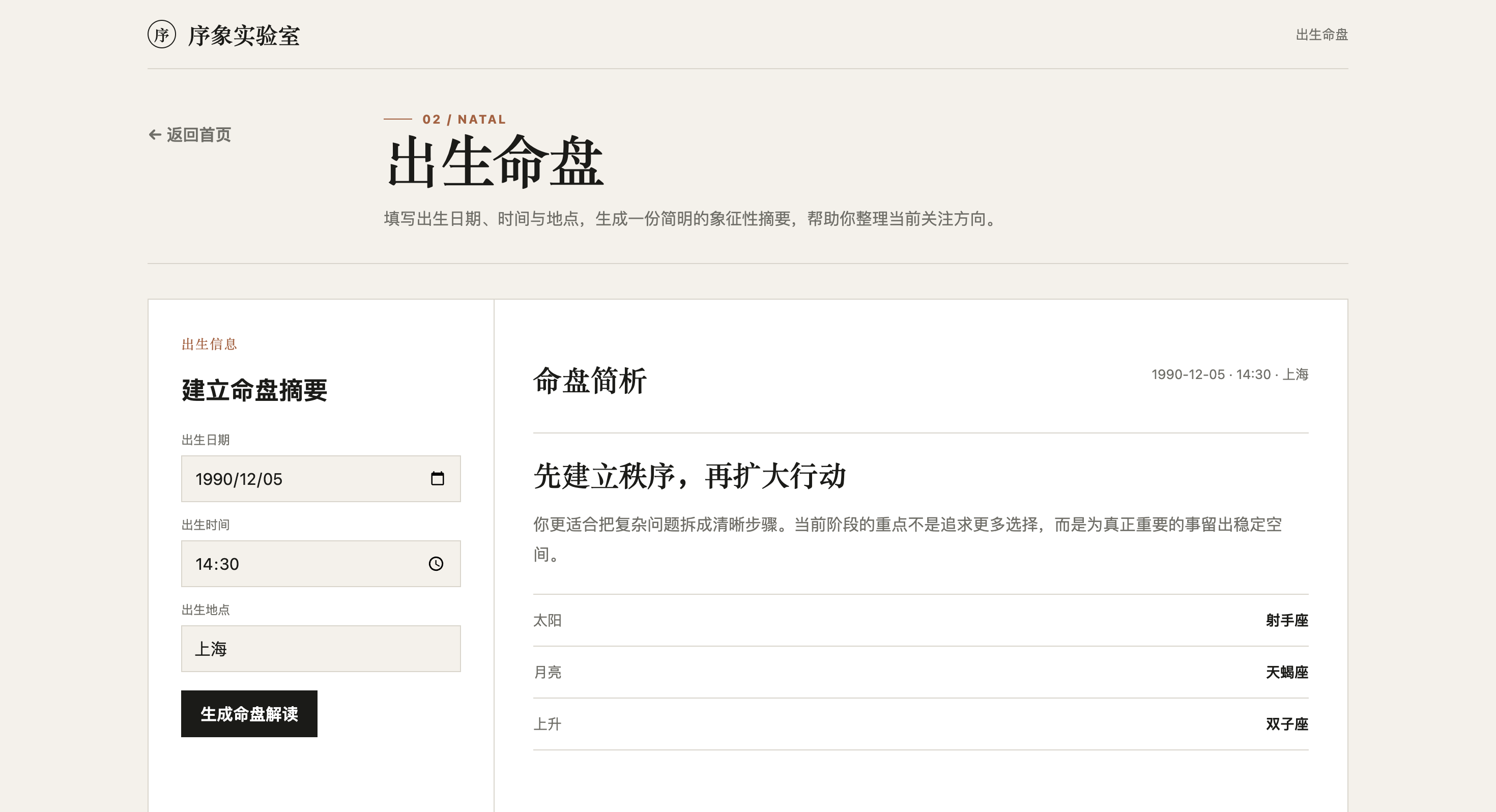
Visible evidence: Page structure and visual constraintsCreate the required form and result states while keeping the content and implementation open to revision.
Visible evidence: Working interactive websiteReview the primary path, form labels, content hierarchy, and readability across widths before preserving an iteration path.
Visible evidence: Runtime and interface review recordThe public case shows reviewable task actions, states, and delivery evidence. It does not expose hidden chain-of-thought, user identity, or third-party account credentials.
Verification
Delivery
Open the workspace, upload a file, or describe the result you need.
Turn source material and delivery requirements into a structured Word document that can be previewed, downloaded, and edited.